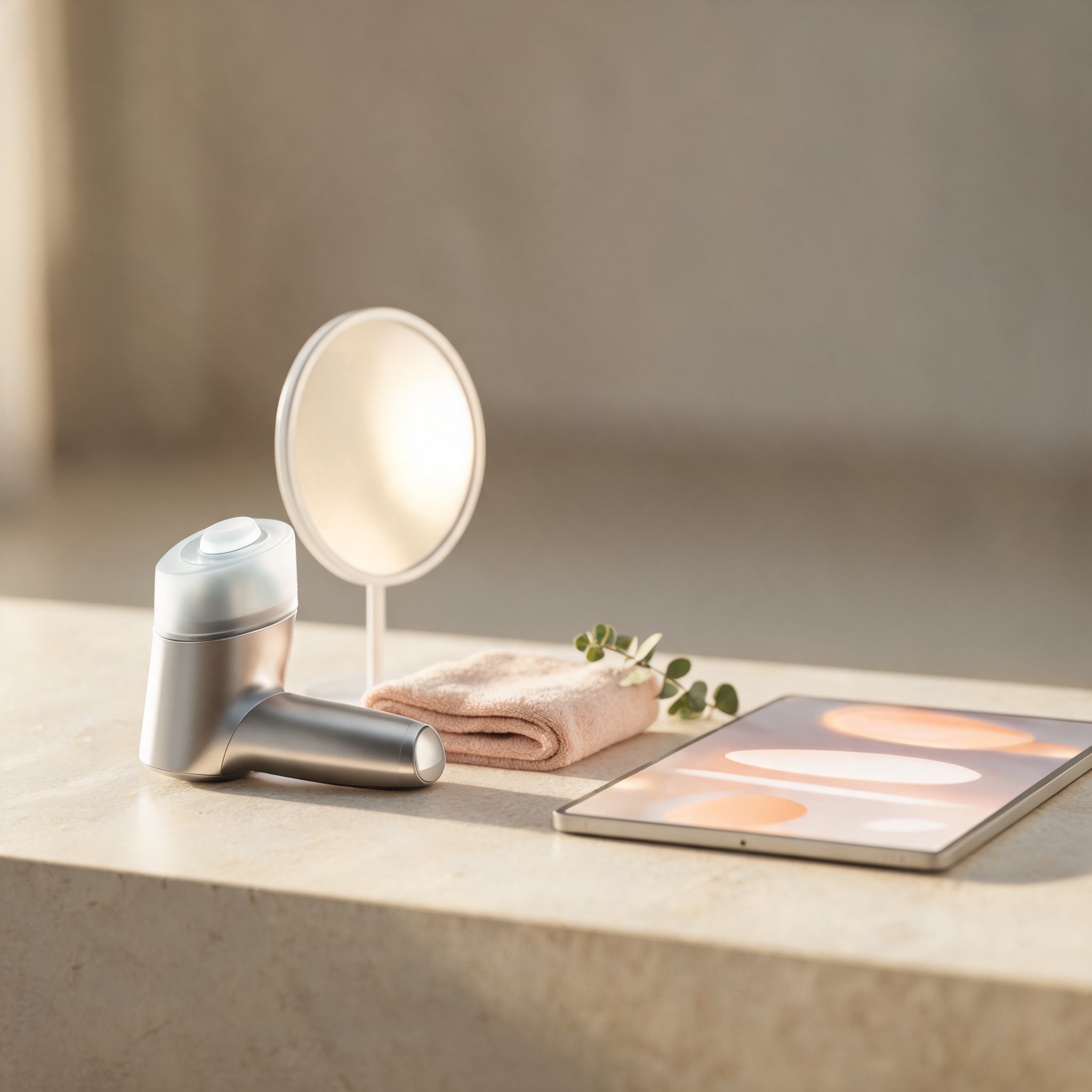
Philips has identified three technology trends shaping beauty: personalized guidance, at-home devices and human connection. The company says the common thread is a shift in daily routines from simple tasks into moments of care, as consumers make more deliberate choices about how they start and end their days.
The Dutch personal care group gathered views from beauty industry figures to frame its outlook. Won Sook Ko, Philips' global category leader for Beauty, said consumers want products grounded in science that deliver results while embedding personalization and care. She described the next phase as intelligence meeting intimacy, with technology adapting to users rather than asking users to adapt to it.
Philips argues that greater access to beauty information has not necessarily produced greater confidence. A flood of data, products, ingredients and technologies can leave shoppers uncertain, a problem industry experts have linked to an overcrowded cosmetics market. That saturation has encouraged brands to offer solutions aimed at specific concerns, giving rise to personalized beauty.
Philips cites research showing that 62% of US beauty and personal care buyers are interested in hyper-personalized products. Alice Crossley, principal strategic foresight analyst at The Future Laboratory, said consumers increasingly expect beauty and wellness technology to be responsive, adaptive and intelligent. In her view, real-time guidance, personalized insights and clear explanations of why a technology recommends a step are becoming standard expectations rather than differentiators. Brands that can turn complex science into relatable, actionable guidance will help define the next stage of innovation, she added.
Examples are emerging across retail and devices. Ulta Beauty recently launched a ChatGPT plugin that builds personalized product bundles around shoppers' goals, routines and budgets. Haut.AI CEO Anastasia Georgievskaya has said consumers quickly lose interest in AI that feels generic and are more likely to trust recommendations based on real skin data. Philips says the strongest beauty technologies will act as trusted partners, helping users move from uncertainty to confidence without requiring them to become experts.
The same logic applies to at-home devices, as more personal care shoppers take treatments home that were once tied to clinics. Dr Aamna Adel, a UK consultant dermatologist and health care professional influencer, said the biggest barrier to adopting beauty technology is not the technology itself but confidence. She argued that understanding, consistency and trust underpin successful routines, and that clear, evidence-based support can help people build confidence and lasting habits.
That shift is visible in oral care and skin care. Dyson and Usmile have launched camera-equipped AI toothbrushes with real-time imaging that show users which areas they have missed while brushing. Red light therapy masks are also moving into the mainstream, with LED devices now widely available through beauty and wellness retail. Philips says consistency, supported by confidence, is what helps at-home routines become lasting habits.
Philips recently launched the Lumea 9900 Pro, which it describes as the first at-home intense pulsed light hair removal device with audio feedback and motion guidance. As the device moves along the legs and arms, it gives live audio feedback intended to support optimal coverage and technique. Philips says its SenseIQ Pro and SmartSkin sensor technology automatically determine individual skin tone and guide users to the optimal light setting for effectiveness and safety. Smart progress tracking provides post-treatment reports that analyze hair reduction progress and offer personalized recommendations.
Industry voices stress that technology should not make routines more mechanical. Tiffany Buathier, founder of The New Well, said confidence grows when women have genuine choice, and that technology can remove doubt about what to do and how, creating room for intention and self-trust. Kimia Koushesh of Vantage Beauty said the opportunity is not to choose between technology and human insight but to combine them, with value coming from tech-enabled products that solve problems and connect with people. Revieve's Future Face of Beauty report reaches a similar conclusion, pointing to guided empowerment, stronger relationships and long-term trust, with Asia Pacific pairing advanced technology with human connection.