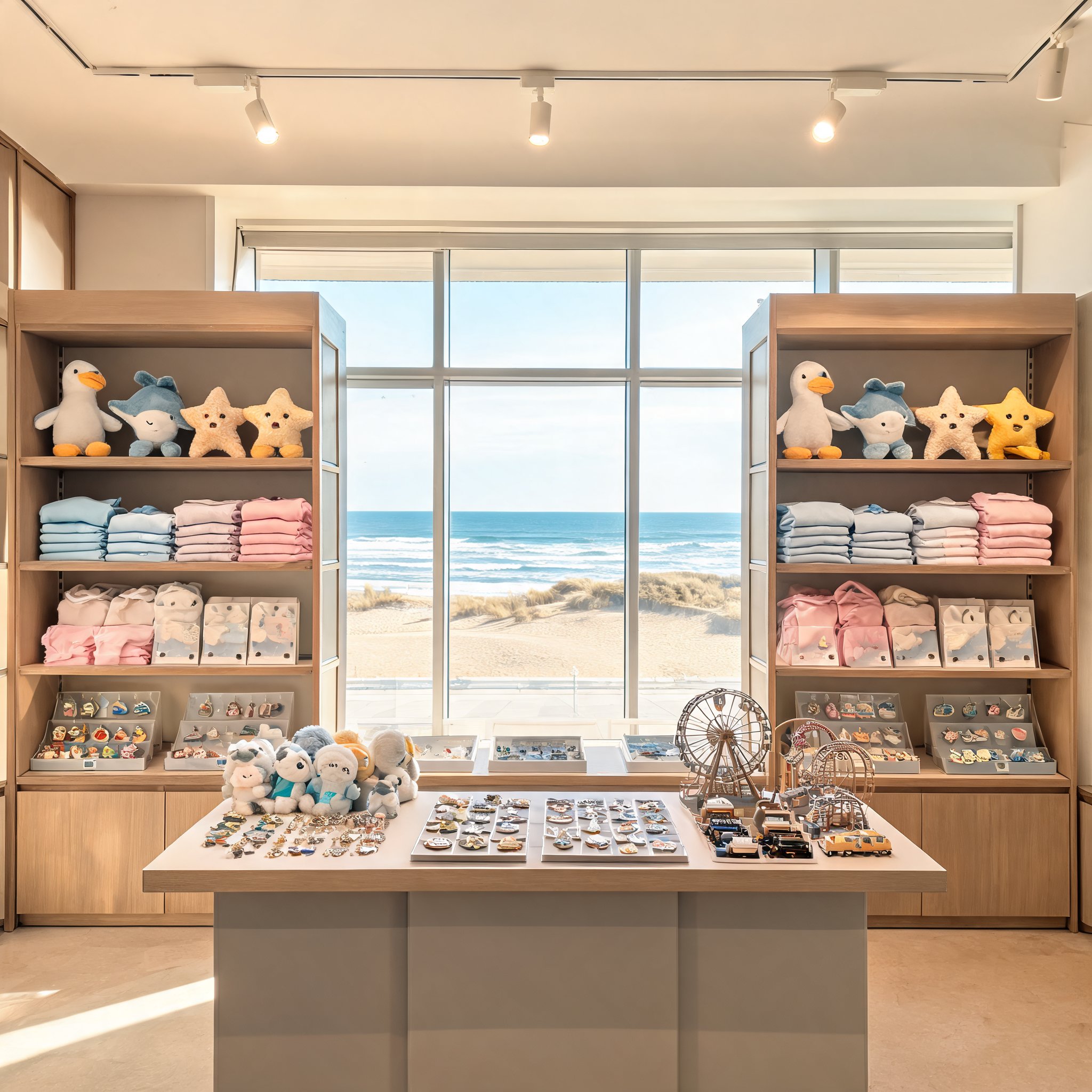
At 130 years old, Pleasure Beach in Blackpool is best known for its seaside amusements, wooden roller coasters, the Big One and its shows. Its retail operation receives less attention, but it offers a useful case study in how an attraction can turn merchandise into part of the visit rather than an afterthought at the exit. Damian Jackson, the resort’s head of retail, oversees physical stores, e-commerce, ride photography and merchandise development. In an interview, he set out a strategy built on customer segmentation, product storytelling and operational discipline.
From souvenirs to segmented ranges
Pleasure Beach serves a wide audience in a single day: first-time families, school groups with limited spending money, teenage friends and couples, international tourists, lifelong fans and serious coaster enthusiasts. Their reasons for buying differ. A family may want a traditional memento, while an enthusiast may seek an accurate collectable tied to a specific ride. Teenagers may be drawn to confectionery, accessories and trend-led apparel, while heritage-minded visitors may value nostalgia, craftsmanship and stories about the resort.
Jackson says a single merchandise approach would not work for that spread of visitors. The team combines sales data with time in the shops, conversations with staff and guest feedback. Sales reports show what is selling; observation and conversation help explain why. The team also asks whether a product would be desirable without the Pleasure Beach name: would someone wear it away from the resort, would an enthusiast display it, would a child be excited by it, and would it remind a family of their visit? Those questions are intended to give each product a clear audience and purpose.
The resulting portfolio is organised around customer missions, price points and levels of engagement. It includes impulse purchases such as confectionery, magnets, keyrings and badges; practical items such as bottles, bags and ponchos; fashion-led apparel and accessories; children’s products and plush; and premium or limited-edition pieces for collectors. The range also balances attraction-specific merchandise with broader Pleasure Beach branding, licensed products, playful lines and heritage collections. Jackson’s point is not that more choice is always better. The aim is an edited range in which each product has a reason to exist, a target customer and an appropriate price.
Building a range around an attraction
The Aviktas range is Jackson’s example of retail being involved early in an attraction’s development. Instead of putting a ride logo on a set of products, the team built the range around the attraction’s visual world: its golden snake, emerald colouring, mythology and sense of mystery. Jackson says this approach shows the value of bringing retail into the original creative conversation rather than adding merchandise after the attraction is complete. He also cites a run of 50 models priced at £250 each that sold out, which he presents as evidence that premium, limited-edition collectables can find a market when they have authenticity, detail and a strong connection to the attraction.
The development process starts with Jackson and Amanda Thompson discussing the attraction, its audience and the opportunity for a range. They consider the story, visual identity, emotional impact, fashion relevance and long-term role within the wider Pleasure Beach portfolio, as well as materials, colours, proportions, trims, embroidery, packaging and in-shop presentation. Commercial questions follow: intended customer, expected demand, price points, production quantities, lead times and sales locations. Different attractions call for different treatments. ICON lends itself to a clean, contemporary, fashion-led approach, while heritage rides such as the Big Dipper and Grand National draw on archive artwork, engineering details, nostalgia and generations of guest memories.
Heritage, licensing and exclusivity
Nostalgia matters because Pleasure Beach is representing generations of memories, not just selling products. The resort’s archive of attraction imagery, typography, posters, architecture and stories gives the team material to reinterpret through contemporary apparel, homeware and collectables. Jackson says the goal is not to make everything look old-fashioned, but to use authentic history in a fresh and desirable way. Playful assets are also part of the mix: humour, colour, character and unexpected ideas can engage children, families and casual visitors, and help the retail identity reach beyond a collection of ride logos.
Licensed attractions, including Nickelodeon and Aardman properties such as Wallace and Gromit, require partnership between Pleasure Beach, the IP owner and approved suppliers. Jackson says the strongest relationships are collaborative: the licensor protects the brand, while the park explains what its visitors respond to and how products need to work in an attraction environment. To compete with general online retailers, Pleasure Beach aims for relevance and exclusivity, using exclusive designs, attraction references, location-specific details, personalisation or products that celebrate the visit. The logic is to avoid shops that feel interchangeable with any other retailer.
Jackson also points to a shift in demand. Guests increasingly ask for products that feel exclusive, authentic and considered, including attraction-specific merchandise, premium apparel, subtle branding, collectables, limited editions and items with a clear story. They also want products that work beyond the visit, such as a well-designed hoodie, cap, bottle or bag. Enthusiasts are especially interested in accurate details, models, technical artwork and products that recognise an attraction’s history or engineering. Generic souvenirs and heavily branded items without an additional story have become less compelling, although keyrings, magnets, mugs and confectionery remain important and must keep evolving in design, quality, presentation and relevance.
Execution, service and the extended visit
Jackson describes stock accuracy and product availability as the least glamorous and most critical parts of the operation. A strong product cannot generate revenue if it is in a stockroom, not reordered, incorrectly priced or missing from the place where guests expect to find it. Deliveries, stock movement, replenishment, pricing, signage and daily compliance checks all protect the guest experience. Clear pricing builds trust, good housekeeping makes products more desirable, and effective replenishment helps guests buy what they wanted. In this view, retail success comes from many small tasks being completed correctly and consistently.
Suppliers are treated as creative and commercial partners rather than simply manufacturers. Pleasure Beach shares the story, ambition and intended customer behind a range so suppliers understand the goal. Jackson values suppliers that bring ideas, understand the brand, respond constructively to feedback and can translate a concept into a commercially viable product. Reliability in quality, communication, lead times, compliance, pricing and consistency is essential.
To encourage spending, the team starts with products guests genuinely want, then uses presentation, location, storytelling, pricing and staff confidence to support the purchase. A clear price architecture lets guests enter a range at different levels, from a small memento to a premium collectable. Trade-up is encouraged by showing additional value through materials, detail, exclusivity, personalisation or a bundle rather than simply a higher price. Product adjacencies matter too: a plush character may lead to an outfit, a ride photograph may lead to a frame or multi-photo offer, and attraction apparel can be supported by matching accessories.
Pleasure Beach wants retail to feel like another chapter of the day, not an obligatory gift shop at the exit. That means considering retail when planning attractions, events and guest journeys, and using themed environments, product demonstrations, displays, confectionery experiences, personalisation, ride photography and interactive selling. Shops are meant to reflect their location: a thrill-ride shop should feel different from a children’s character store, a heritage collection or a confectionery outlet. E-commerce extends the relationship year-round, helping enthusiasts follow launches, previous visitors reconnect with memories and remote customers buy selected products, while also providing insight into demand. Staff are expected to act as hosts, storytellers and brand ambassadors, and services such as gift wrapping and personalised embroidery add value that a general online marketplace cannot easily match.
The wider lesson is that attraction retail works best when it is designed into the experience, not attached at the end. Pleasure Beach’s approach combines a segmented product portfolio, early creative involvement, exclusive and story-led ranges, supplier collaboration and day-to-day operational discipline. The evidence in the interview is largely company-provided, including the sold-out Aviktas edition, and the model still depends on execution. But it shows why retail can be more than a logo on a souvenir: it can extend the attraction’s narrative, support the memory of a visit and give guests a reason to keep engaging after they leave.