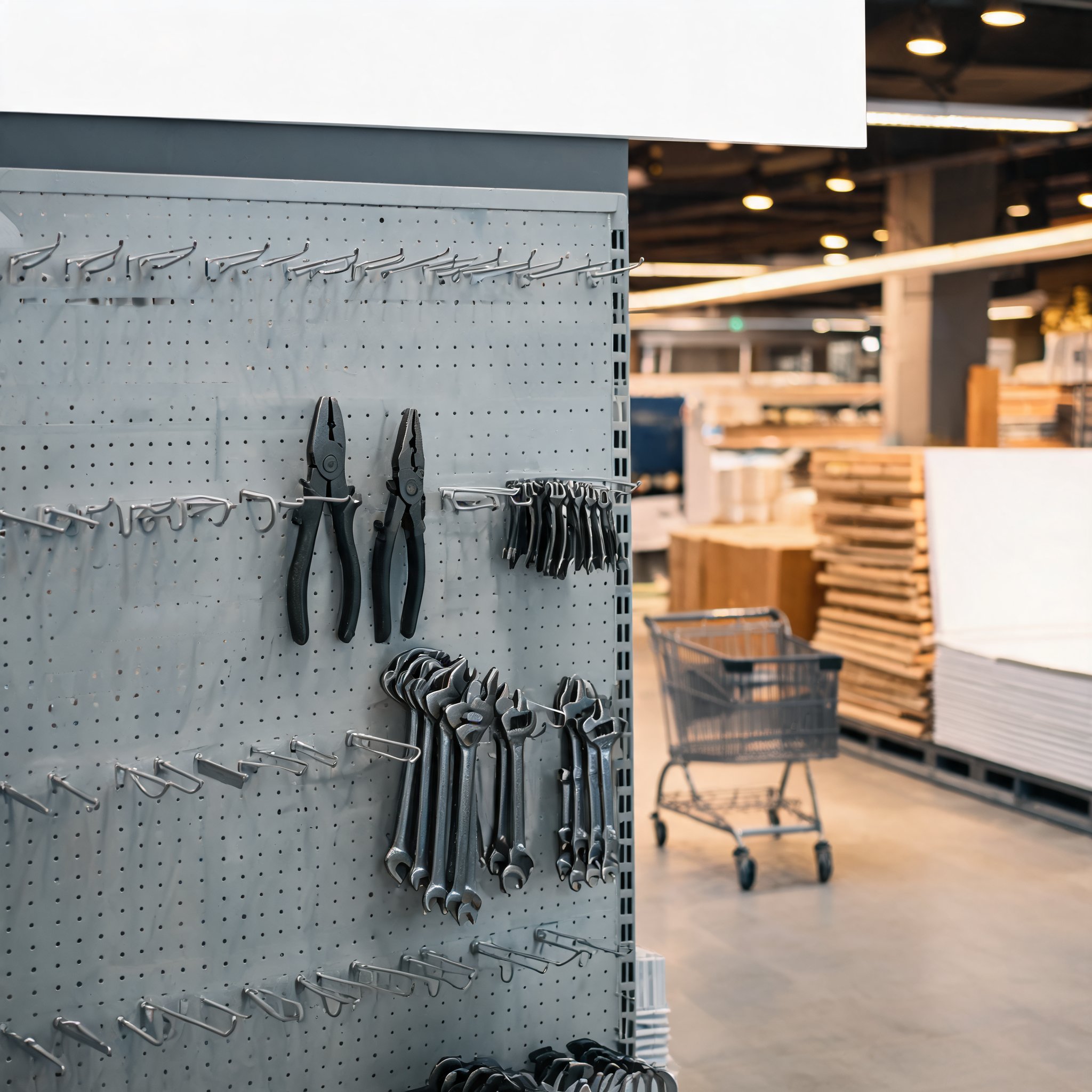
A weekend visit to a Lowe’s store found the retailer’s Klein Tools Blackout display placed near the pro section, alongside lumber, drywall and bags of concrete mix. The limited-edition tools were moving quickly: the multi-functional utility knife was sold out, the multi-bit screwdriver had also sold through, and only a couple of wire cutters remained.
The adjustable wrench two-pack had not sold as well, according to the account. Electrical tools and general-purpose tools, however, appeared to have sold very well in a short period. With more than 1,700 Lowe’s stores in the United States, even modest per-store sales can add up to substantial volume.
The observed sell-through helps explain why Lowe’s and Klein keep introducing new Blackout tools each year. The companies are responding to demand that customers have demonstrated at the shelf, rather than relying only on the limited-edition format itself.
The visit also turned up less favorable conditions. A MrBeast promotional cutout stood at the front of the store. Main-aisle products were visibly dusty, and the air quality in the pro area was noticeably poor; the author’s child said the smell made it hard to think, prompting a quick exit.
The author argues that the Blackout program is a rare good decision from Lowe’s leadership, while other aspects of the store experience can push customers away. The limited runs may draw shoppers in, but the broader retail environment remains part of the story.