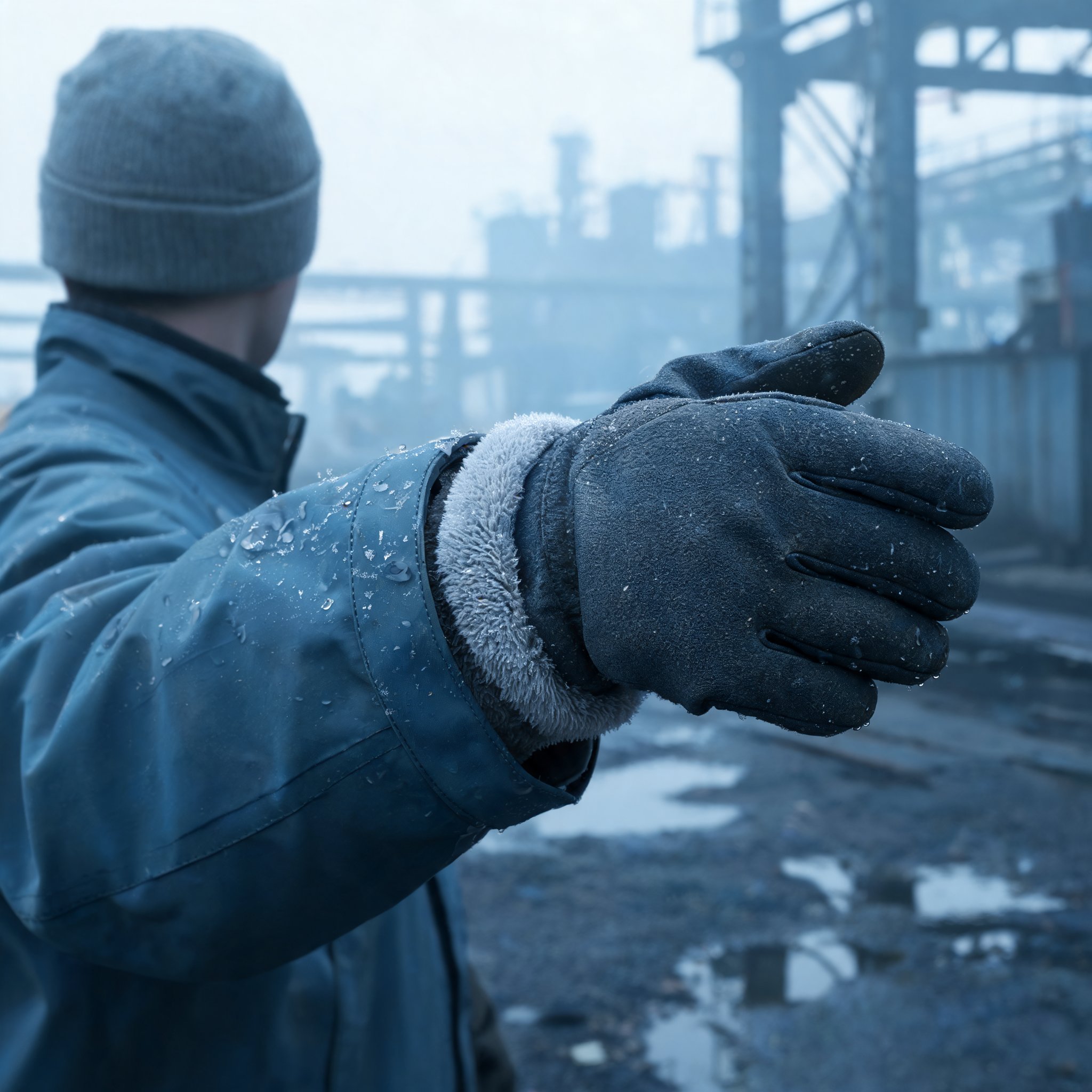
Winter work outdoors brings shorter daylight, wet conditions and frost, changing the hazard profile at many outdoor workplaces. CWS Workwear International GmbH, based in Dreieich, says these shifts often occur without a matching adjustment to personal protective equipment (PPE).
The company has identified five typical protection gaps in winter PPE. In its current guide, it points to a central problem: protection can fail not because individual garments lack certification, but because the combination worn together does not meet the requirements of the relevant standards.
Certified pieces, uncertified combinations
CWS Workwear says the interaction between clothing layers is decisive. A jacket, underlayer or other component may be certified on its own, yet the assembled system can still fall short when evaluated as worn. This makes selection and combination part of the safety assessment, not merely a matter of choosing warm or weather-resistant items.
For outdoor work in wet and frosty conditions, the guide frames winter PPE as a layered system whose overall performance needs to be considered. The company's five-gap list is intended to help employers and workers avoid treating individual certifications as proof that the complete outfit is adequate.
The advisory therefore directs attention to how winter clothing layers perform together under the conditions of the task, rather than to individual garments in isolation.